Why Transparent PC Domes Are Reshaping the Glamping Market
Canvas tents defined glamping for a decade, but operators now face a different guest: someone who wants the outdoors without the weather, the maintenance or the blocked view.
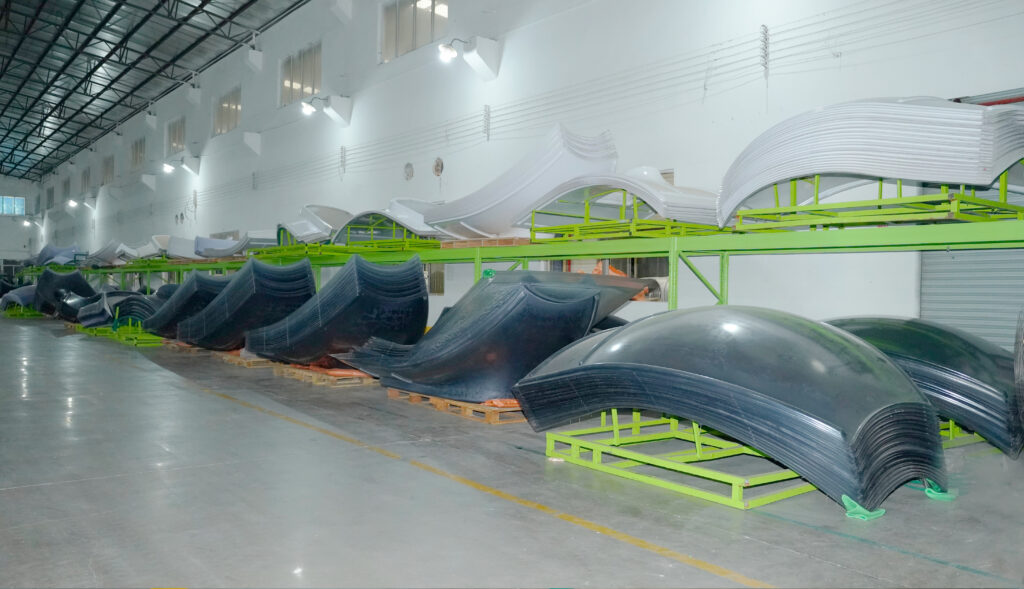
Transparent PC domes solve all three. Polycarbonate panels deliver 80–90% light transmission with UV protection, while aluminum frames keep the structure light enough for a small crew to assemble in hours.
For operators, the economics are clear: longer seasonality, higher nightly rates and lower maintenance than fabric structures. For buyers, the supply chain matters — factory-direct manufacturing with standard 40HQ loading keeps landed costs predictable.
As resorts scale from a pilot dome to a 30-unit village, the ability to mix standard units with custom layouts becomes the deciding factor between suppliers.
A Market Shift, Not a Passing Trend
The rise of transparent domes tracks a structural change in outdoor hospitality, not a short-lived fashion. After the camping boom of the early 2020s, operators discovered that the fastest-growing guest segment wanted nature with a glass wall between them and it: private views, comfortable beds, working heating, and a room that photographs itself for social media.
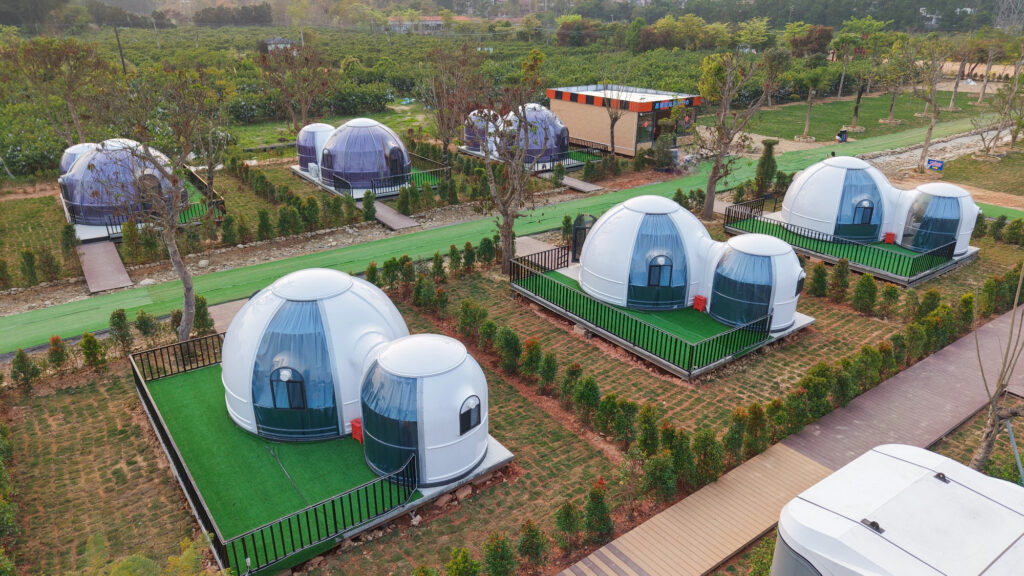
That guest books directly, stays longer and pays more per night than the traditional tent camper. Campsites, resorts and even city-adjacent properties have responded by upgrading their inventory from fabric to hard-shell units. Transparent domes sit at the top of this upgrade path because they deliver the most visible differentiation: a 360-degree view no cabin or tent can offer.
For operators, the shift is also defensive. The glamping market has become crowded at the budget end, where competing on price means competing on thin margins. A transparent dome moves a property out of that bracket — it is a premium, photogenic asset that supports premium pricing from the first season.
Why Polycarbonate Won the Material Race
Transparent glamping structures need a material that is clear, tough and insulating. Polycarbonate delivers on all three: it transmits most daylight while blocking harmful UV, resists impact far better than glass, and keeps domes cooler in summer and warmer at night.
Compared with glass, PC panels are lighter — a decisive advantage for shipping and for installation crews lifting panels into place by hand. Compared with canvas, PC does not sag, mildew or need annual re-proofing; a simple wash-down keeps it presentable season after season. The PC vs glass comparison on this blog goes into the technical differences in detail; the short version is that polycarbonate wins on cost, logistics and maintenance while delivering the transparent experience guests pay for.
Where Transparent Domes Are Winning Right Now
The same structure performs in surprisingly different markets. Five applications are driving the bulk of demand:
1. Scenic suites. Lakeside, hillside and coastal sites use transparent domes as their flagship rooms — the view is the product, and the dome puts every degree of it on display.
2. Stargazing stays. Clear ceilings turn the bedroom into an observatory. This is one of the fastest-growing niches, with domes positioned away from artificial light for dedicated astronomy experiences.
3. Dome restaurants and cafes. Transparent dining pods give restaurants premium seating with full views; combination units create space for a dining core with sleeping pods attached. See the combination series for layouts that pair public and private space.
4. Winter destinations. With heating and proper sealing, transparent domes turn snow-country properties into year-round operations — guests get panoramic snowfall views from a warm room. Our winter-proofing guide covers the heating and insulation upgrades these sites use.
5. Tropical and rainy-season markets. Ventilation design keeps domes comfortable in heat, and the hard shell shrugs off monsoon weather that would flatten a tent season. Operators in these markets gain the same benefit as winter operators: more bookable months per year.
The Economics of a Transparent Dome Portfolio
The business case rests on three numbers: more bookable nights, a higher rate, and lower upkeep. Extending a season by three months adds roughly 25% to annual revenue capacity for a small premium on heating costs. The rate premium comes from positioning — a transparent unit competes with boutique cabins and resort rooms, not with tents. Upkeep is where PC quietly wins: no fabric replacement cycle, no mildew treatment, no annual re-waterproofing.
Scale multiplies these advantages. A 40HQ container ships 30 sets of the 4 m round dome, and the shipping guide shows how per-unit logistics cost falls as order size grows. Please confirm the final loading quantity with us for your specific order. The 30-dome resort case study demonstrates the full journey: mixed models, phased delivery and site-level installation planning.
What to Check Before You Order
Not all transparent domes are equal. Before committing to a supplier, verify four things:
Panel specification. Ask for the PC sheet thickness and the UV-coating warranty in writing. Cheaper panels degrade and yellow in sunlight; a proper coating protects transmission over years of exposure.
Frame quality. The aluminum frame carries the structure for decades. Confirm the alloy profile and the corrosion protection, especially for coastal sites.
Shipping and assembly reality. Confirm the container plan and that panels arrive pre-cut with numbered parts. A kit designed for small-crew assembly — see the 5-step installation guide — saves real money on site, and our shipping cost guide shows how crate volume turns into freight per unit.
Support after delivery. Ask whether remote installation support and spare-parts supply are included. The price breakdown article explains which specifications move the final quotation, so you can compare offers item by item — and our ordering guide covers MOQ, lead time and payment terms.
FAQ
Are transparent PC domes durable enough for year-round use?
Yes, when specified correctly. UV-coated polycarbonate resists impact and UV exposure, and the aluminum frame is corrosion-protected. Winter operators add heating and sealing; tropical operators rely on ventilation — the structure itself holds up in both climates.
Do transparent domes overheat in summer?
Less than you might expect. Polycarbonate panels block much of the infrared heat gain, and vents and openable sections create natural airflow. In hot climates operators add shade or active ventilation; in most temperate markets the dome stays comfortable with airflow alone.
How long does a transparent PC dome last?
With a quality UV-coated panel and basic maintenance, the panels typically hold their clarity for a decade or more, and the aluminum frame is effectively permanent. Panel UV-coating life, yellowing and replacement timing are covered in our dedicated guide to how long a PC transparent dome house lasts.
Is a transparent dome a good investment for a small campsite?
It is often the highest-ROI single upgrade a small site can make. One premium transparent unit can lift a property’s positioning and rate structure, and it can be validated as a pilot before expanding to a multi-unit village.
Ready to start your dome project?
Talk to our engineers or download the full product catalog first.